
When people talk about basketball finals, they usually talk about skill.
They talk about who can shoot, who can handle the ball, who can defend, or who can make the big play.
But by the time semi-finals and finals arrive, skill is rarely the only thing deciding performance. At that stage, most players are already capable. They’ve trained, they’ve played, and they understand the game.
What separates players is often something less obvious: how well they prepare their body and mind for the specific demands of basketball under pressure.
Basketball is a sport built on repeated explosive efforts, rapid decisions, emotional swings, and constant changes in pace. A player has to sprint, stop, cut, react, communicate, recover, and execute, sometimes all within a few seconds. That means performance is influenced by much more than talent alone. It is shaped by how well the athlete is fuelled, how well they have recovered, how prepared they are mentally, and how effectively they manage pressure.
Research consistently shows that factors such as mental imagery, carbohydrate intake, sleep, pre-game routines, and emotional control all influence performance in ways that are highly relevant to basketball. These factors affect shooting, reaction time, decision-making, confidence, fatigue, and consistency. In finals, where margins are smaller and pressure is higher, those effects matter even more.
This is what actually matters, and why.
One of the most overlooked parts of basketball preparation is mental imagery.
A lot of players assume visualisation is just positive thinking, or that it is something only elite athletes do. In reality, mental imagery is a practical performance tool. It involves deliberately rehearsing basketball situations in the mind before they happen on court.
That might mean seeing yourself come off a screen and make the right read. It might mean visualising a defensive rotation, a late-game free throw, or the response you want after missing a shot. The reason this matters is that the brain responds to vivid imagery in ways that are similar to real movement. When an athlete imagines performing a basketball action, many of the same neural pathways involved in actual execution are activated. That helps strengthen movement patterns, timing, and readiness.
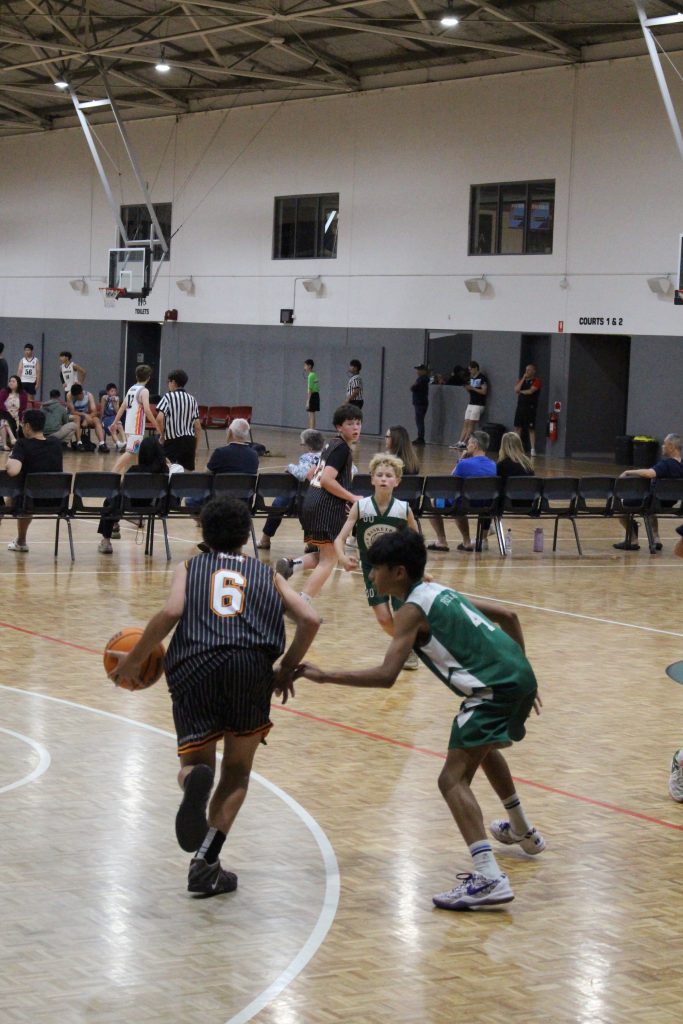
This is one reason mental imagery is so valuable in basketball. The game is fast, reactive, and unpredictable. Players often do not have time to “figure it out” in the moment. They need to recognise situations quickly and respond with confidence. Mental imagery helps build that readiness before the game begins.
Research in basketball players has shown that structured mental visualisation can significantly improve shooting accuracy, especially when it is paired with physical practice (Zureigat et al., 2023). That is an important finding because it shows imagery is not separate from training. It strengthens training. It helps players get more out of the work they are already doing.
Other research has shown that athletes with stronger imagery abilities tend to have better performance outcomes, stronger confidence, and greater emotional control (Volgemute et al., 2025). In basketball, those qualities are crucial. Confidence affects how decisively a player shoots. Emotional control affects how well they recover after mistakes. Mental readiness affects whether they hesitate or trust the read.
This is especially important in finals because finals create unfamiliar pressure. The pace feels quicker. Possessions feel more important. Mistakes feel heavier. A player who has already rehearsed those moments mentally is more likely to stay composed when they arrive for real. Instead of feeling overwhelmed, they feel familiar with the situation.
For a basketball athlete, that is the real value of imagery. It is not about pretending everything will go perfectly. It is about preparing for the exact moments that usually make players panic, hesitate, or lose confidence. The more mentally rehearsed those moments are, the more controlled performance tends to become.
A lot of players think about nutrition in general terms. They know food matters, but they often do not fully understand how directly it affects basketball performance.
That is especially true with carbohydrates.
Basketball is a high-intensity intermittent sport. That means the game is made up of repeated bursts of explosive work: sprinting in transition, jumping for rebounds, sliding on defence, attacking off the dribble, stopping suddenly, and changing direction over and over again. Those actions rely heavily on glycogen, which is the stored form of carbohydrate in the muscles.
When glycogen is available, the body can produce energy quickly and efficiently. When glycogen starts to run low, performance changes. Players feel slower. Their legs feel heavy. Their reactions become less sharp. Their power drops. This is one reason some players look strong early in games but fade late. It is not always just “fitness.” Often, it is fuel.

Research shows that carbohydrates are the most important macronutrient for high-intensity athletic performance because they can support both anaerobic and aerobic demands (Amawi et al., 2024). That is highly relevant to basketball because basketball constantly moves between those two demands. A player might need explosive speed one moment and sustained effort over multiple possessions the next.
Osterberg (2016) explains that basketball players rely on carbohydrate as the body’s preferred fuel during high-intensity activity, and that depleted glycogen is associated with muscle fatigue and reduced performance. In practical basketball terms, this can show up as slower closeouts, reduced lift on jump shots, less explosiveness off the first step, or a delayed reaction on defence. These are not minor issues. In a finals game, they can change the outcome of possessions.
Carbohydrates also matter because basketball is not only physical. It is cognitive. Players are constantly processing spacing, defensive coverage, help rotations, passing lanes, clock awareness, and shot quality. The brain depends heavily on glucose to function efficiently. When carbohydrate availability is low, concentration, reaction time, and decision-making can all decline (Amawi et al., 2024). In basketball, where decisions often need to be made in a fraction of a second, that matters enormously.
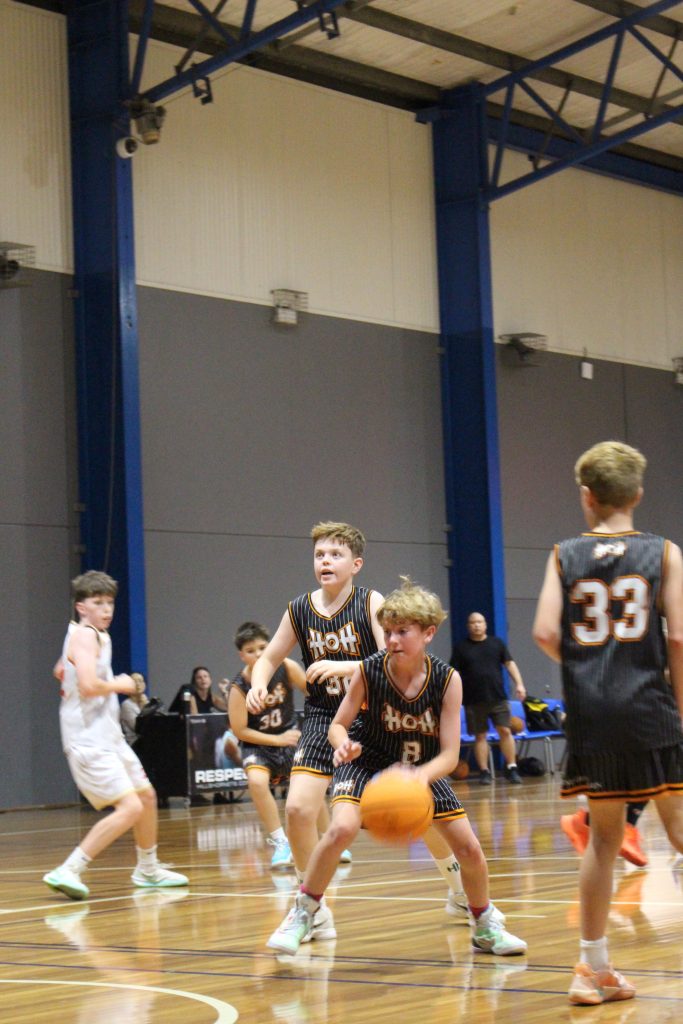
This is why proper fuelling before finals is not just about “having energy.” It is about being able to think clearly and execute repeatedly when the game is physically and mentally demanding. A player who is properly fuelled is more likely to sustain sprint speed, recover between efforts, and make good decisions deep into the game. A player who underfuels may still start well, but is more likely to drop off when the pressure and fatigue increase.
From a practical point of view, this is one of the simplest ways players can improve readiness. Carbohydrates before a game help ensure the body has the fuel to produce high-intensity effort and the brain has the fuel to process the game properly. In finals, where one late-game possession can decide everything, that matters.
Sleep is probably the most underrated performance tool in basketball.
Most players understand that sleep is good for them, but many do not realise how directly it affects the exact qualities that matter most on court. Basketball demands reaction speed, decision-making, emotional control, accuracy, and physical recovery. All of those are influenced by sleep.
Research in basketball populations shows that sleep is strongly linked to both performance and recovery (Ochoa-Lácar et al., 2022). That makes sense when you think about the nature of the sport. Basketball players are repeatedly exposed to high-intensity efforts, rapid changes in direction, heavy physical load, and constant cognitive demands. Recovery is not optional. It is part of performance.
Sleep helps the body restore energy systems, repair tissue, regulate hormones, and support immune function. Just as importantly, it helps the brain process information, refine motor patterns, and maintain sharp cognitive functioning. When players sleep well, they generally react faster, make better decisions, and perform more consistently. Sim et al. (2024) found that good sleep before and after competition is crucial for cognitive, physiological, and recovery-related outcomes.

The opposite is also true. Even short-term reductions in sleep can impair reaction time, focus, anaerobic performance, and emotional stability. Juliff et al. (2015) found that 64% of athletes reported worse sleep prior to important competitions, with thoughts about the competition and nervousness being major reasons for this. That finding is important because it shows that many athletes are going into their biggest games already compromised.
In basketball, poor sleep does not just make a player tired. It can make them late on a rotation, slower on a read, less composed after a turnover, or less accurate on a shot. It can reduce their ability to process the game quickly and recover physically between intense efforts. Haskell et al. (2025) also note that insufficient sleep is associated with increased injury risk, partly because of impaired coordination, slower reactions, and poorer recovery.
This matters even more in finals because finals often come with greater stress, more mental stimulation, and sometimes disrupted routines. Players are more likely to overthink. They are more likely to feel nervous. And ironically, that can undermine the very recovery process they need most.
That is what makes sleep such a competitive advantage. It is not glamorous, but it directly influences the speed, clarity, and resilience that basketball requires. A player who sleeps well is not just “rested.” They are better prepared to react, decide, execute, and recover when the pressure is highest.
Basketball finals are unpredictable.
Momentum shifts quickly. Emotions rise. Possessions feel heavier. The atmosphere changes how players think and feel, even before tip-off.
This is where pre-performance routines become valuable.
A good routine gives the player structure before entering a chaotic environment. It helps create familiarity before a game that feels emotionally unfamiliar. In simple terms, it gives the athlete something stable to rely on when everything else feels unstable.
That matters because pressure affects attention. Under stress, players often become outcome-focused. They start thinking about whether they will play well, whether they will miss, what the opponent might do, or what the result might mean. That kind of thinking can scatter attention and make performance feel rushed or unnatural.
Pre-game routines help counter that by shifting attention back to controllable actions. They direct focus towards process. That might involve a consistent warm-up, breathing pattern, mental cue, or order of preparation. The exact routine can differ from player to player, but the purpose is the same: create control, reduce mental noise, and prepare the athlete to execute.
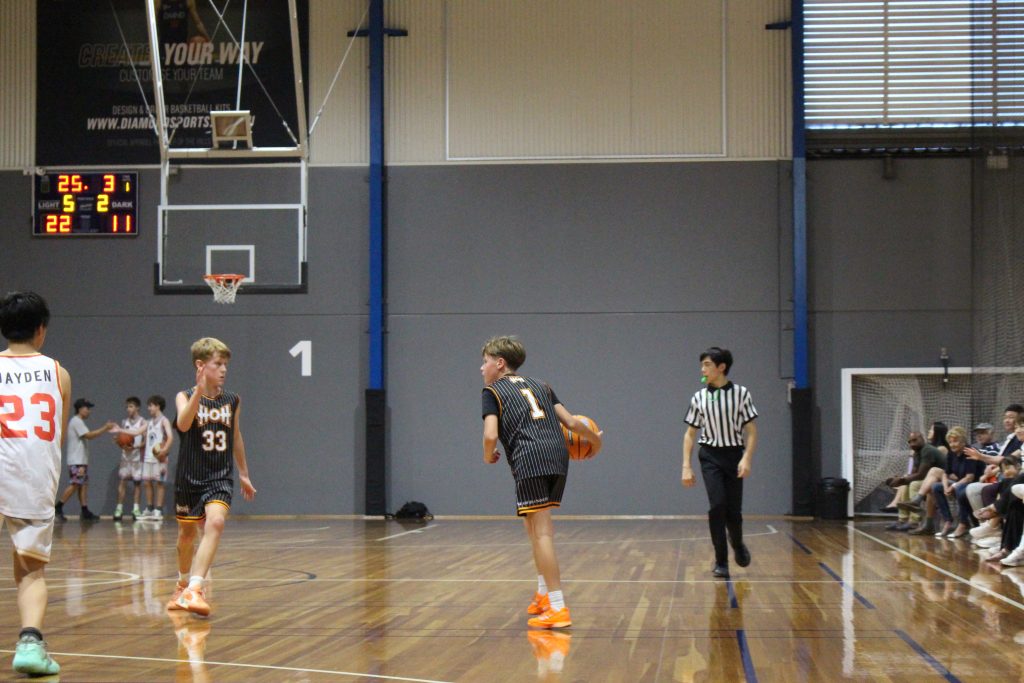
This idea is supported by research. Werner et al. (2021) found that ritualistic or routine behaviours can help athletes create a sense of control and readiness, although their effects depend partly on the athlete’s anxiety levels and how rigidly those behaviours are used. That is an important distinction. A routine should stabilise performance, not become something the athlete feels trapped by. The most effective routines are structured, but not obsessive.
This is especially relevant in basketball, where performance depends on rapid cognition, precise execution, and emotional regulation (Ochoa-Lácar et al., 2022). A routine can help the athlete arrive at the game mentally organised instead of mentally scattered.
Routines also support confidence through repetition. When preparation is consistent, athletes begin to associate that process with readiness. Over time, that can improve self-efficacy and reduce unnecessary anxiety. Instead of depending on how they “feel” on the day, they depend on a reliable preparation process.
In finals, this matters even more. Pressure is higher, fatigue is greater, and decision-making becomes more important. Small differences in preparation can lead to significant differences in performance. Players who prepare intentionally are often better able to stay composed, focus on the next play, and perform with greater consistency.
That is the real value of a pre-game routine in basketball. It does not guarantee success. But it gives the athlete a way to enter the game with clarity and control instead of uncertainty and emotional noise.
By the time semi-finals and finals arrive, physical differences between players are often smaller than people think.
What becomes more obvious is the difference in mental state.
Basketball is a game of constant emotional testing. A player might miss two shots in a row, get scored on, turn the ball over, or hear the crowd react to a mistake. Then, within seconds, they need to recover, re-focus, and make the next play. That requires emotional control.
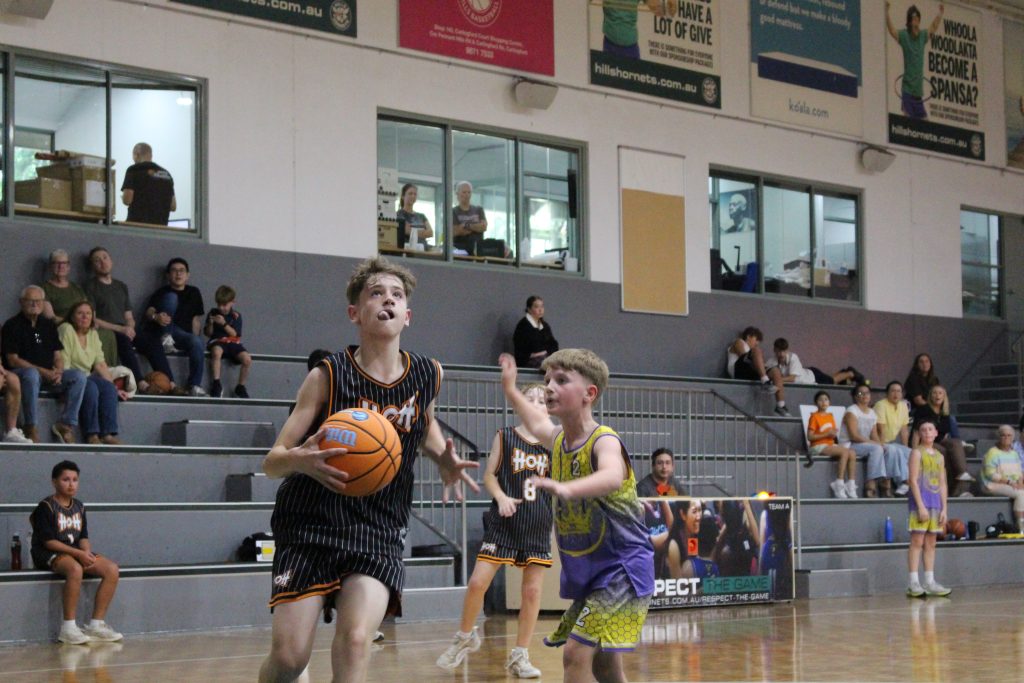
Ochoa-Lácar et al. (2022) highlight that basketball performance depends not only on physical output but also on cognitive and psychological functioning. In a sport this fast, emotional instability quickly affects decision-making and execution. A frustrated player tends to rush. An anxious player tends to hesitate. A mentally overloaded player tends to make poorer reads.
This is why pressure matters so much in finals. Pressure increases heart rate, emotional arousal, and cognitive load. Some arousal can help performance, but too much can disrupt it. Juliff et al. (2015) and Sim et al. (2024) both show that competition-related stress can negatively affect sleep, psychological functioning, and performance readiness. In practical terms, pressure can start affecting performance before the game even begins.
Once the game starts, mental state continues to shape everything. It influences whether the player stays present or starts dwelling on mistakes. It affects whether they remain patient or force plays. It changes whether they respond to the game clearly or emotionally.
Composure in basketball is not about feeling perfectly calm. It is about staying functional under pressure. It is the ability to keep making clear decisions when the game becomes intense. It is the ability to move on from mistakes quickly. It is the ability to stay connected to the next play instead of being dragged around by emotion.
This is one reason mental imagery, routines, and sleep all matter so much. They support emotional control. They reduce uncertainty. They help the athlete enter the game with more stability. Over time, that builds what could be called performance composure—the ability to execute despite pressure, not because pressure disappears.
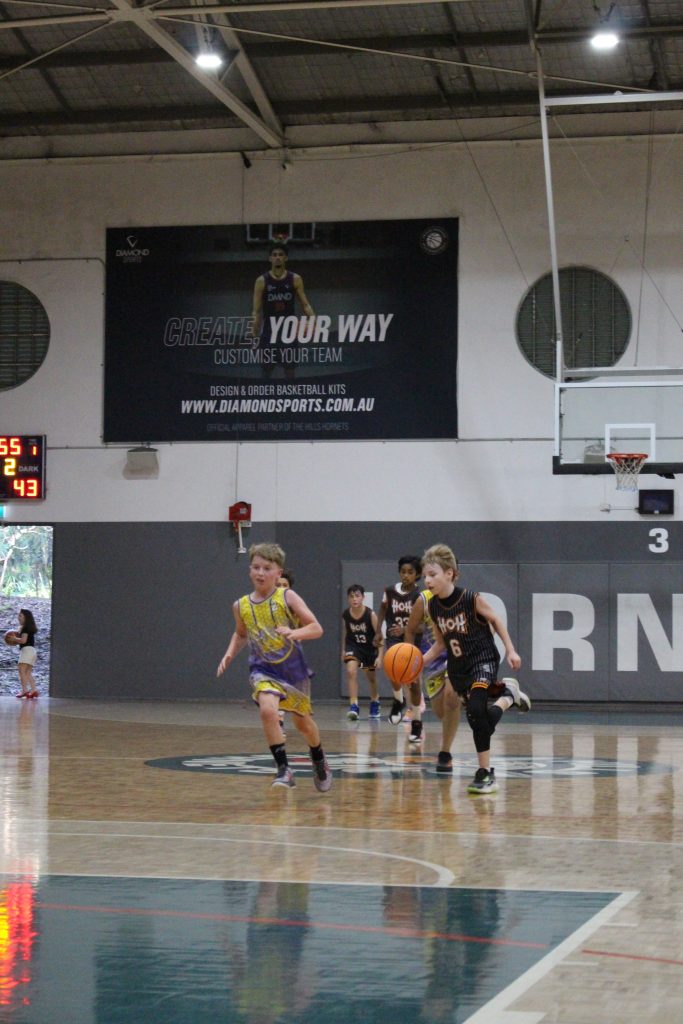
In finals, that skill is often the difference. A single emotional lapse can lead to a rushed shot, a missed rotation, or a careless turnover. On the other hand, a player who can reset quickly, stay composed, and trust their preparation is much more likely to perform well in the moments that matter most.
Mental state is not separate from performance in basketball. It drives performance. It shapes how clearly the player sees the game, how well they respond to mistakes, and how consistently they can express their skill under pressure.
Most players prepare physically. Far fewer prepare completely.
The athletes who perform best in basketball finals are often not the ones with the most talent. They are the ones who arrive in the best overall state to perform. They have mentally rehearsed game situations. They have fuelled their body for repeated high-intensity efforts. They have given sleep the respect it deserves. They use routines to create stability. And they manage pressure well enough to stay composed when the game gets hard.
These are not small details. They directly affect the things that matter most in basketball: reaction time, decision-making, movement quality, confidence, and consistency.
Amawi, A., AlKasasbeh, W., Jaradat, M., Almasri, A., Alobaidi, S., Abu Hammad, A., Bishtawi, T., Fataftah, B., Turk, N., Al Saoud, H., Jarrar, A., & Ghazzawi, H. (2024). Athletes’ nutritional demands: A narrative review of nutritional requirements. Frontiers in Nutrition, 10, 1331854. https://doi.org/10.3389/fnut.2023.1331854
Juliff, L. E., Halson, S. L., & Peiffer, J. J. (2015). Understanding sleep disturbance in athletes prior to important competitions. Journal of Science and Medicine in Sport, 18(1), 13–18. https://doi.org/10.1016/j.jsams.2014.02.007
Ochoa-Lácar, J., Singh, M., Bird, S. P., Charest, J., Huyghe, T., & Calleja-González, J. (2022). How sleep affects recovery and performance in basketball: A systematic review. Brain Sciences, 12(11), 1570. https://doi.org/10.3390/brainsci12111570
Osterberg, K. L. (2016). Carbohydrate nutrition and team sport performance. Sports Science Exchange, 29(170), 1–6.
Sim, J. E., Leota, J., Mascaro, L., Hoffman, D., & Facer-Childs, E. R. (2024). Sleep patterns before and after competition: A real-world examination of elite athletes. Journal of Sports Sciences, 41(22), 2014–2026. https://doi.org/10.1080/02640414.2024.2308960
Volgemute, K., Vazne, Z., & Malinauskas, R. (2025). The benefits of guided imagery on athletic performance: A mixed-methods approach. Frontiers in Psychology, 16, 1500194. https://doi.org/10.3389/fpsyg.2025.1500194
Werner, K., et al. (2021). The Pre-Performance Ritual: A Recipe for Success or a Path to Burnout?. Journal of Issues in Intercollegiate Athletics: Vol. 14: Iss. 1, Article 35 https://scholarcommons.sc.edu/jiia/vol14/iss1/35
Zureigat, A., Al-eliwah, S., Abdel Fattah, O., Alzughailat, M., & A’mir, O. (2023). Exploring the effect of six weeks of mental visualization on the three-shot accuracy in basketball. Journal of Exercise Physiology Online, 26(3), 58–68.