
Most parents choose a sport based on whether their child will enjoy it.
That’s a good place to start—but it’s not the full picture.
Because the real question isn’t just “Will they like it?”
It’s:
“What kind of person will this environment help them become?”
Sport, when done properly, doesn’t just fill time. It shapes how children move, how they think, how they respond to pressure, and how they build confidence in themselves. During childhood and adolescence, these systems are still developing, which means the environments children are exposed to can have long-term effects across physical, cognitive, and emotional domains (Institute of Medicine [IOM], 2013; Pfeiffer & Clevenger, 2025).
Basketball is one of the few sports that develops all of these at once.
Between the ages of 8 and 18, children go through a critical developmental window where movement, cognition, and social behaviour evolve together. Physical activity during this time is not simply beneficial—it is foundational, contributing to long-term health, brain development, and emotional regulation (IOM, 2013; Pfeiffer & Clevenger, 2025).
However, an important nuance often gets overlooked.
It’s not just about whether children are active.
It’s about whether they feel capable when they move.
This sense of competence plays a major role in determining whether children continue participating in sport as they grow older. Early experiences shape whether movement feels natural and rewarding or difficult and frustrating, which in turn influences long-term engagement (Pfeiffer & Clevenger, 2025; Purcell, 2005).
A consistent pattern in youth sport research is that dropout is not random—it follows a predictable trajectory.
Longitudinal data shows that approximately 29.7% of children drop out of organised sport between the ages of 10 and 12, and a further 33.3% drop out between 12 and 14, demonstrating how disengagement compounds during adolescence (Vella et al., 2020). This decline is rarely due to a lack of interest alone.
More often, it is because children do not feel competent.
Pfeiffer and Clevenger (2025) describe this through the concept of a motor proficiency barrier, which refers to the point at which children who have not developed foundational movement skills begin to disengage because movement feels difficult or uncomfortable. Purcell (2005) reinforces this by explaining that sport readiness depends on the alignment between a child’s developmental stage and the demands of the sport, and that early experiences should prioritise skill development, exploration, and enjoyment rather than premature competition.
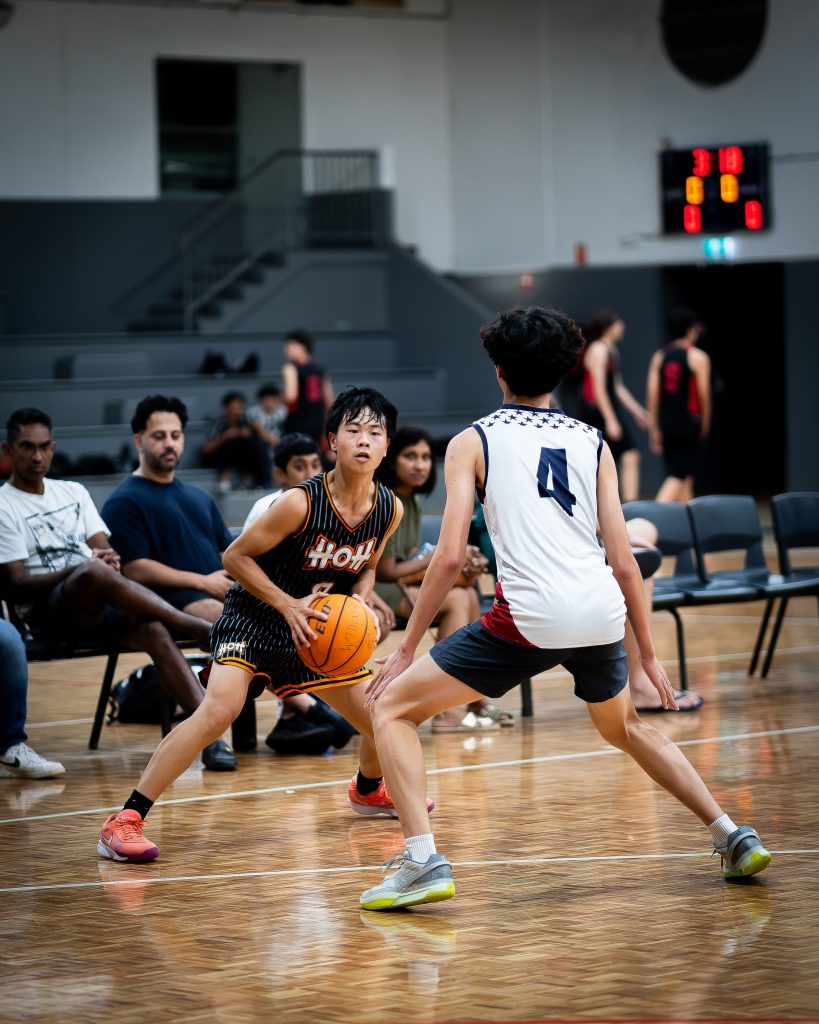
Taken together, these findings highlight a critical idea: children do not continue participating in sport because they are told it is important, but because movement feels natural, rewarding, and achievable (Pfeiffer & Clevenger, 2025; Vella et al., 2020; Purcell, 2005).
Not all sports address this issue effectively.
Basketball stands out because it aligns closely with how children naturally move and learn. Children tend to move in short, reactive bursts rather than in steady, repetitive patterns, and basketball is built around exactly this type of movement, including acceleration, deceleration, changes of direction, and continuous adjustment to the environment (Pfeiffer & Clevenger, 2025).
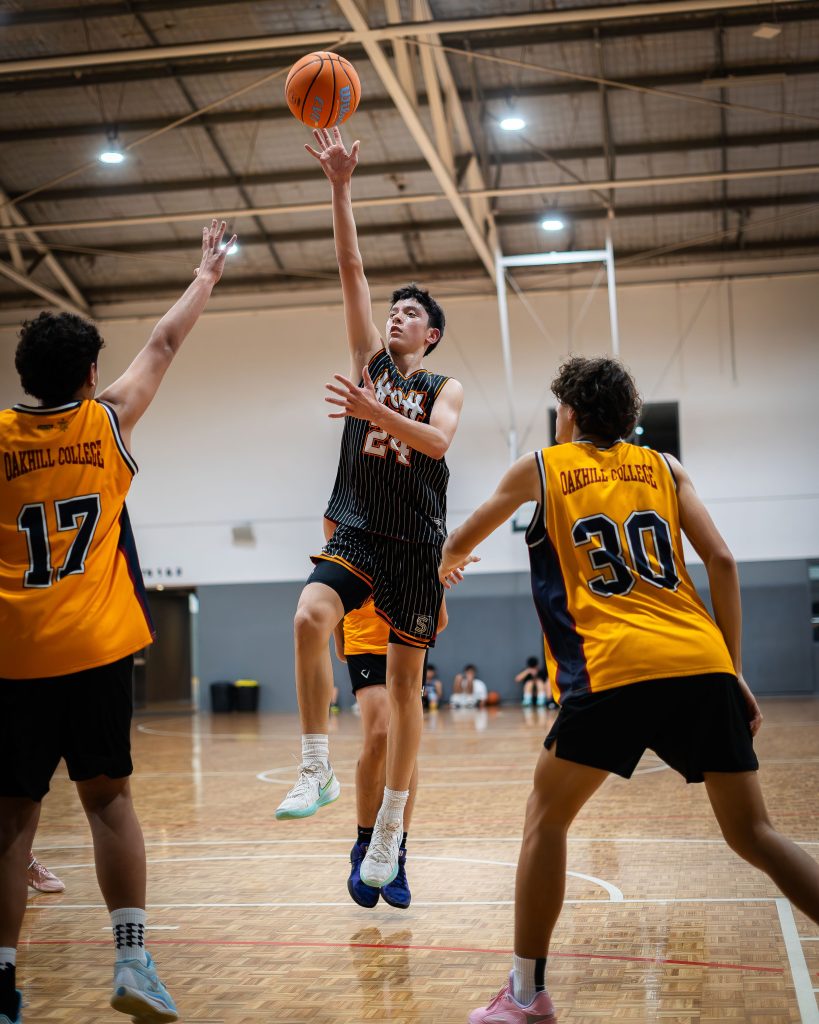
This type of movement develops what is known as physical literacy, which refers to the ability to move confidently and effectively across a range of situations. Unlike simple fitness, physical literacy supports long-term engagement in activity because it builds both competence and confidence (Pfeiffer & Clevenger, 2025; IOM, 2013).
As a result, basketball does not just improve fitness in the short term. It builds the underlying movement foundation that determines whether children remain active over time.
One of the most significant advantages of basketball is its cognitive demand.
Basketball is classified as an open-skill sport, meaning the environment is constantly changing and requires players to adapt in real time. This involves continuously processing information, anticipating movement, and making decisions under time pressure (Shalom et al., 2025; Madinabeitia-Cabrera et al., 2023).
These demands engage executive functions, which include working memory, attention, and inhibition control. Working memory allows players to hold and update information during play, attention helps them focus on relevant cues, and inhibition control allows them to avoid impulsive decisions.
Research demonstrates that basketball training can significantly improve these cognitive functions, particularly working memory and inhibition control, highlighting its role in developing decision-making under pressure (Madinabeitia-Cabrera et al., 2023; Shalom et al., 2025).
In practical terms, this means that children are not just learning how to play a game. They are learning how to think clearly, stay composed, and make better decisions in fast-paced environments.
Confidence is often misunderstood as something that can be given through encouragement.
In reality, it is built through experience.
Basketball creates a natural progression where children begin with difficulty and gradually improve through practice. This process allows them to see the direct relationship between effort and improvement, reinforcing a sense of competence and self-belief.
Research emphasises that environments which prioritise developmentally appropriate challenges and skill acquisition are more likely to foster long-term engagement and confidence in young athletes (Purcell, 2005; Pfeiffer & Clevenger, 2025).
Because basketball offers multiple ways to contribute, whether through scoring, passing, defending, or understanding the game, children are more likely to find areas where they feel capable. This diversity supports sustained engagement and reinforces confidence in a meaningful way.
Basketball also provides an environment where children learn to manage pressure in real time.
The pace of the game, combined with constant decision-making and the inevitability of mistakes, requires players to regulate their emotions and remain focused. Over time, children develop the ability to recover quickly from errors, maintain composure, and continue performing under changing conditions.
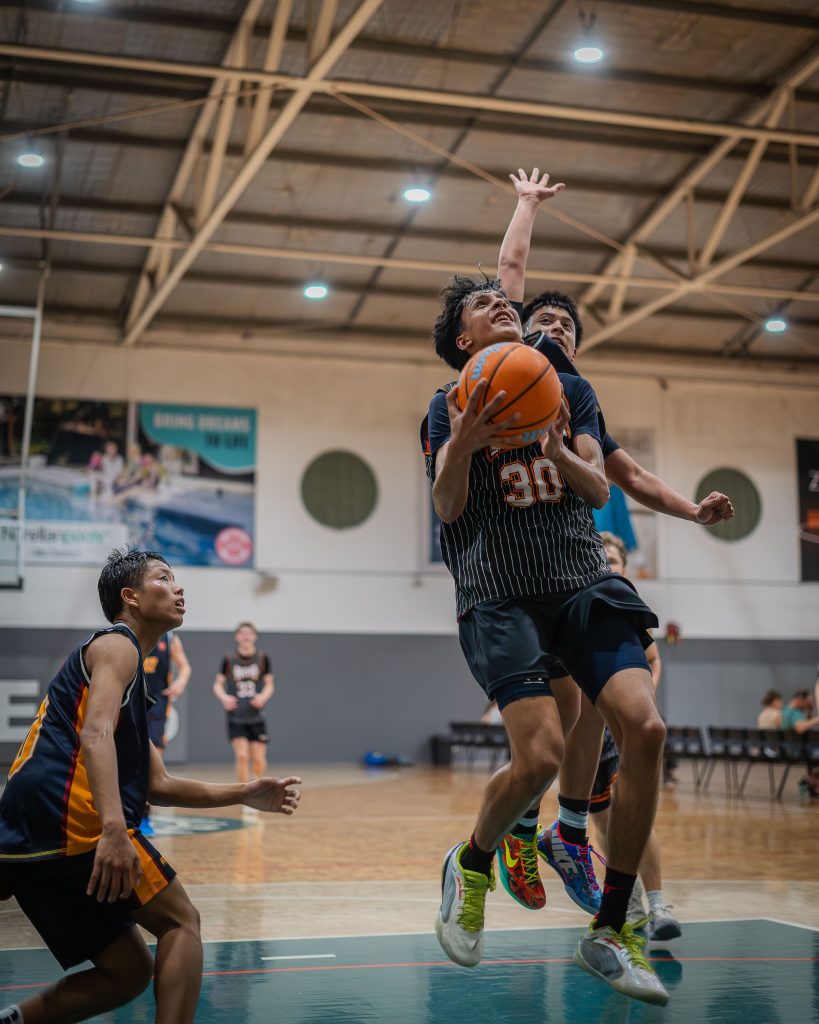
These experiences contribute to emotional regulation and resilience, both of which are critical components of broader development (IOM, 2013; Pfeiffer & Clevenger, 2025).
Importantly, these are not skills that remain confined to sport. They transfer into academic settings, social interactions, and future high-pressure situations.
While basketball has strong developmental potential, the environment in which it is delivered plays a crucial role.
Purcell (2005) highlights that children benefit most from sport experiences that are aligned with their developmental stage and emphasise enjoyment, exploration, and gradual skill development. When environments become overly competitive too early, children are more likely to disengage.
This reinforces the idea that development is not just about the sport itself, but about how it is taught.
At House of Handles, the focus is not just on training players, but on building an environment that supports long-term development.
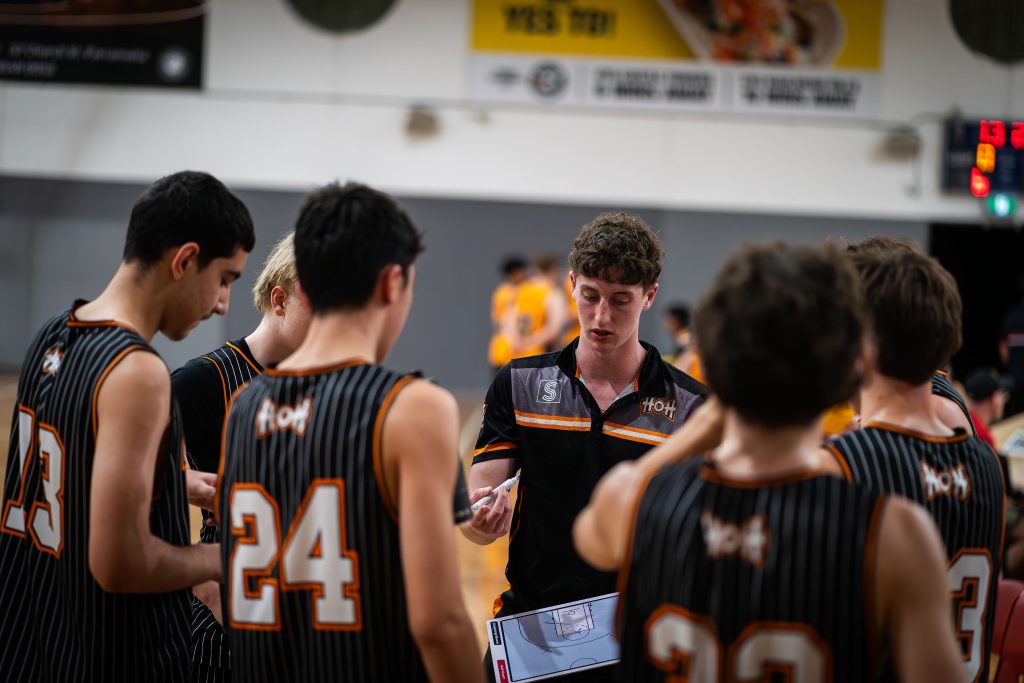
Sessions are designed to challenge both movement and decision-making, while ensuring that players experience progress and remain engaged. The emphasis is placed on developing real skills, building confidence through improvement, and creating a space where children feel capable.
Because when children feel capable, they stay. And when they stay, they develop.
Choosing a sport is not just about activity.
It is about choosing an environment that shapes how your child grows.
Basketball, when delivered correctly, develops movement, cognition, confidence, and resilience simultaneously, making it one of the most effective developmental tools available (Madinabeitia-Cabrera et al., 2023; Shalom et al., 2025; Pfeiffer & Clevenger, 2025).
Start them the right way.
If you want your child to move better, think faster, build real confidence, and develop skills that extend beyond the court, the environment you choose matters.
Start them in the right one.
Register with House of Handles today and get your child on the court.
Institute of Medicine. (2013). Educating the student body: Taking physical activity and physical education to school. The National Academies Press. https://doi.org/10.17226/18314
Madinabeitia-Cabrera, I., Bidaurrazaga-Letona, I., & Badiola, A. (2023). The cognitive benefits of basketball training compared to a combined endurance and resistance training regimen: A four-month intervention study.
Pfeiffer, K. A., & Clevenger, K. A. (2025). Physical activity and early childhood development.
Purcell, L. K. (2005). Sport readiness in children and youth. Paediatrics & Child Health, 10(6), 343–344. https://doi.org/10.1093/pch/10.6.343
Shalom, M., et al. (2025). Cognitive motor dual tasking as a game-changer in basketball training programs: A new approach to developing elite basketball players.
Vella, S. A., et al. (2020). Sports participation and dropout in childhood and adolescence: A longitudinal analysis. BMJ Open Sport & Exercise Medicine.